

Evolving Role of 3D Animation and Motion Graphics Software
There was a time when opening a scene meant starting almost everything from zero. Geometry first, then structure, then motion. That approach still exists, but it no longer defines how most teams work.
In many studios, the constraint has shifted. It is not the lack of tools. It is the time it takes to move from a rough idea to something usable inside the pipeline.
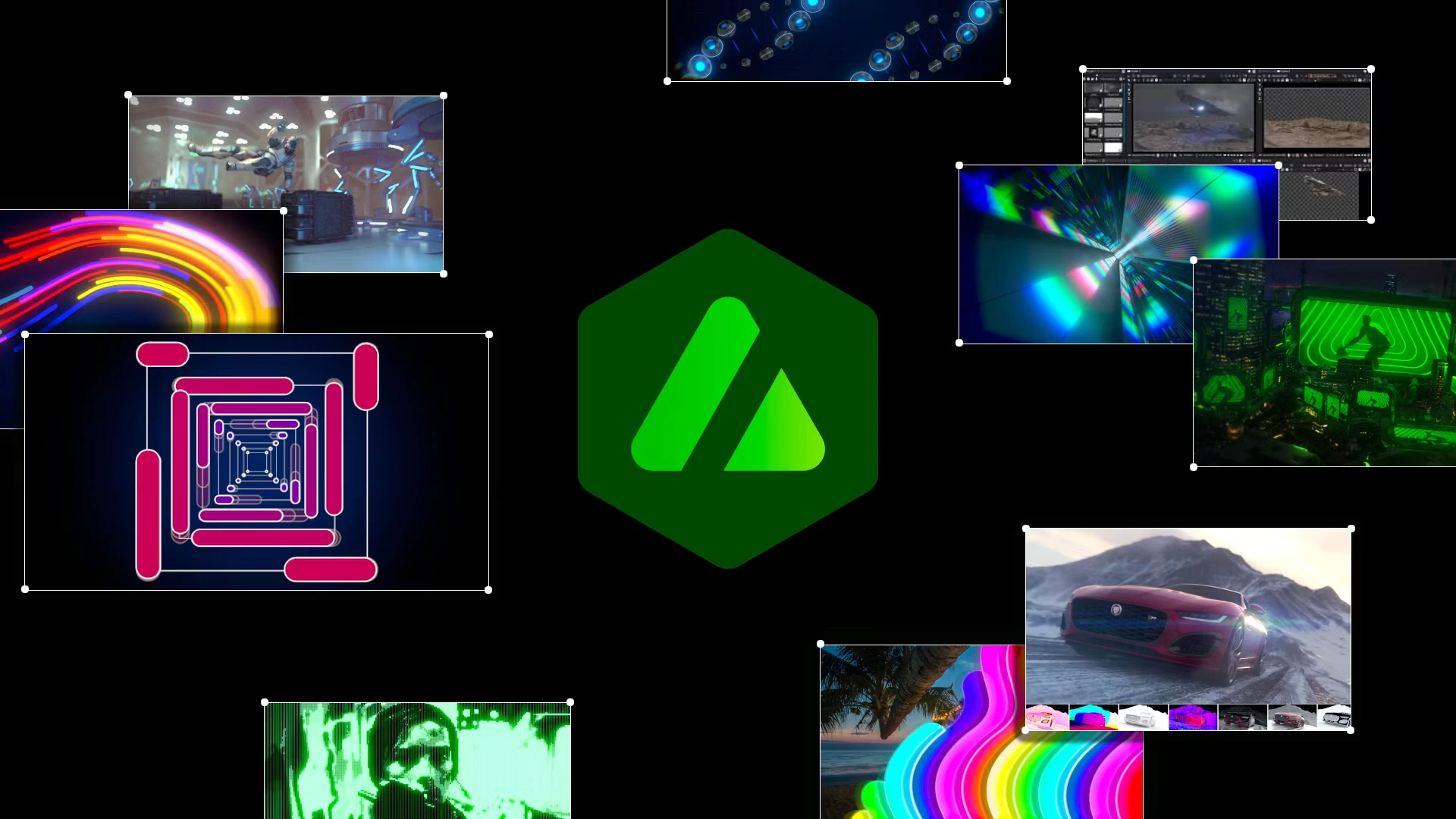
This is where Maxon Cinema 4D has quietly changed its role. It is still widely known as a 3D animation software, but in production environments, it behaves more like a connector between stages. Modeling, animation, and rendering are not treated as isolated steps anymore.
In motion design workflows, especially for broadcast or digital content, motion graphics software is expected to keep up with iteration cycles. Artists do not wait for perfect setups. They test, adjust, and move on.
 Source: Maxon
Cinema 4D HY 3D and AI in Early-Stage Workflows
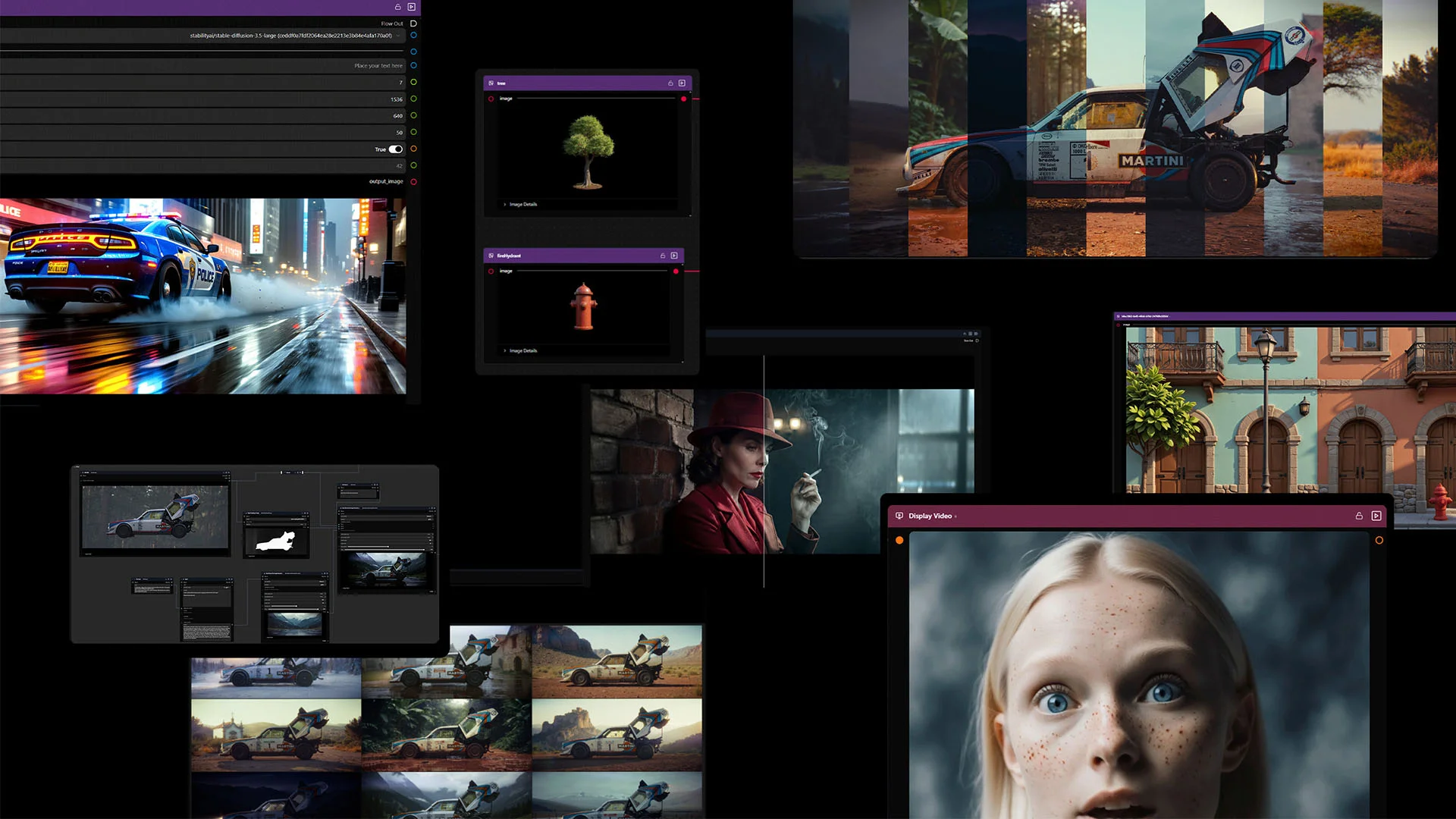
The partnership between Maxon and Tencent Cloud introduces Cinema 4D HY 3D, built on the HY 3D Global AI Engine. The intent here is fairly specific. It targets the early part of the workflow where time is often spent building base structures that will eventually be replaced or heavily modified.
With Cinema 4D AI, artists can generate initial meshes or layout references using prompts. In practice, these outputs are rarely final. They serve as placeholders that allow teams to start blocking scenes earlier than usual.
What this changes is not the creative process itself, but where time is spent. Instead of investing hours in base setup, artists move sooner into refinement, lighting, and animation. That shift matters more than the technology behind it.
 Source: Maxon
The Philosophy of Responsible Innovation
While the integration of AI offers unprecedented speed, Maxon remains committed to the integrity of the creative process. According to CEO David McGavran, the partnership is about providing creators with tools to accelerate early-stage prototyping while ensuring the artist maintains full authority over the final output.
This sentiment is echoed by Philip Losch, Chief Technology and AI Officer, who emphasizes that Maxon is not developing an autonomous system to generate finished art. Instead, the focus is on a responsible implementation that simplifies specific technical hurdles while keeping the broader creative direction firmly in the hands of the artist. The priority remains the protection of authorship and originality.
 Source: Maxon
Cinema 4D Redshift and Rendering in Real Conditions
Rendering has always been a point where workflows slow down. Not because it is complex, but because it interrupts momentum.
The integration of Cinema 4D Redshift addresses this in a practical way. As a GPU rendering software, it allows artists to see near-final output while still working on the scene.
This is particularly relevant in motion-heavy projects where small changes are constant. Waiting for full renders between iterations is not always viable. With GPU-based rendering, feedback becomes part of the working process rather than a separate step.
For teams handling multiple deliverables, this reduces the gap between creation and review.
Cinema 4D 2026: What Actually Feels Different
With Cinema 4D 2026, the updates are not positioned as dramatic changes. They are more noticeable in day-to-day use.
- MoGraph Distribution - Placement tools handle variation more reliably now. Less time is spent correcting overlaps or manually adjusting spacing.
- Simulation Updates - Fluid and particle behavior feels more stable. Fewer resets are needed, which helps when working under tight deadlines.
- Preserve UV - Geometry edits do not immediately break texture work. This avoids unnecessary rework during look development.
- Viewport Adjustments - Navigation improvements are subtle but useful, especially on smaller setups where switching views quickly matters.
These Cinema 4D new features do not change how artists think. They reduce the number of small interruptions that add up over time.
Expanding the Creative Horizon
Cinema 4D continues to serve as the foundation for top-tier studios because it balances deep functionality with reliable stability. From the intuitive animation timeline to the advanced simulation of cloth and rigid bodies, every tool is refined for the rigors of modern production.
|
Feature Set |
Workflow Benefit |
|
Advanced Modeling |
Precision tools for complex geometry creation |
|
Procedural MoGraph |
Effortless creation of complex motion graphics |
|
Unified Simulation |
Realistic behavior for fluids, particles, and cloth |
|
Integrated Rendering |
High-speed, quality output via Redshift GPU |
Where It Stands in Production Today
Cinema 4D continues to sit comfortably inside motion design and visual effects pipelines. Not because it tries to replace every tool, but because it does not get in the way of the process.
From its role as a 3D animation software to its integration with GPU rendering software, the transition between stages is more direct than it used to be.
Developments like Cinema 4D 2026, Cinema 4D AI, and Cinema 4D HY 3D point toward a shift that is already visible in many teams. Less time spent setting up. More time spent refining.
That balance is what most production environments are trying to achieve, whether they state it explicitly or not.
Explore the Cinema 4D Showreel or contact us at maxon@arkinfo.in