
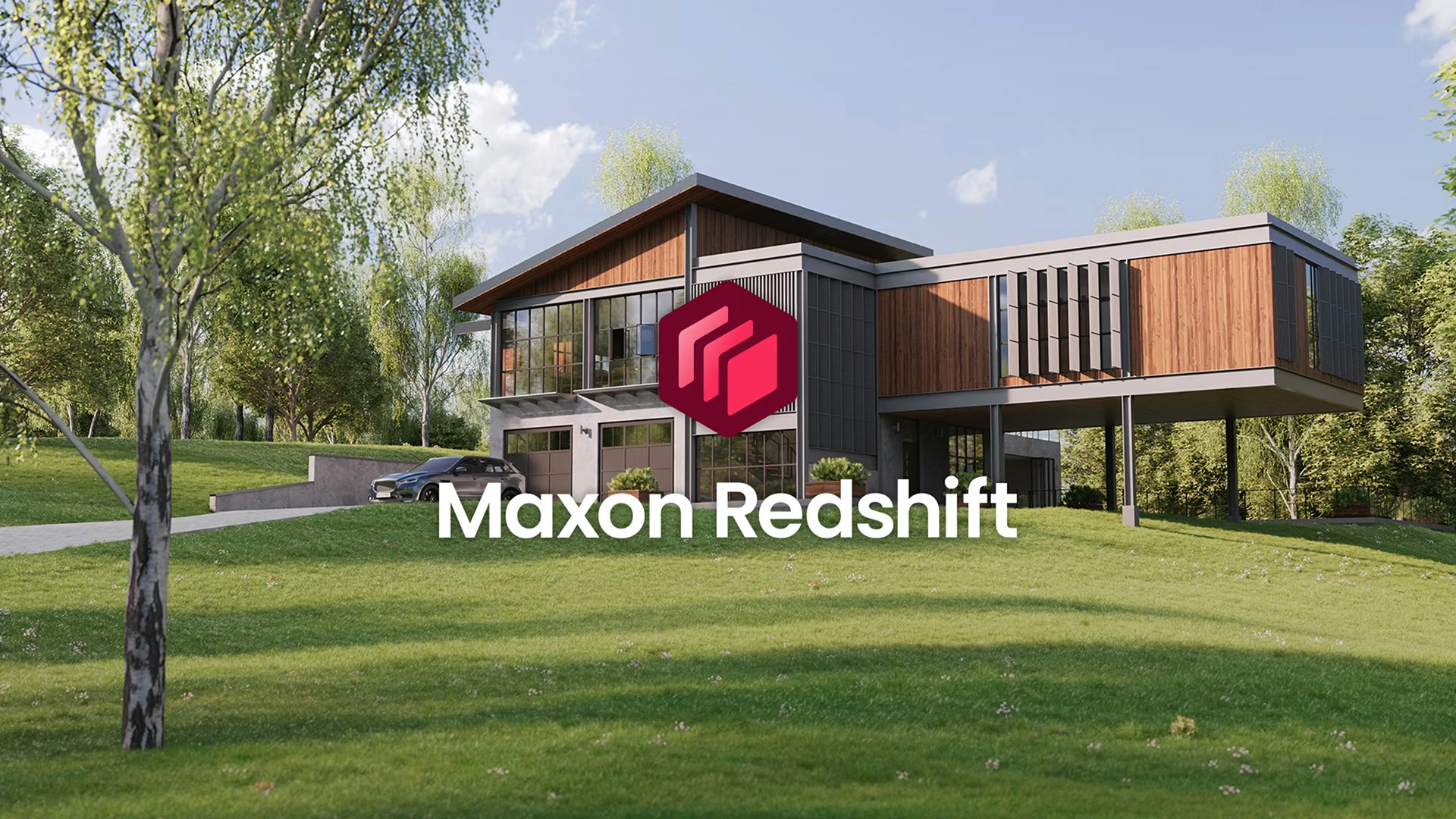
Maxon Redshift 2026: A Practical Shift in Architectural Rendering Workflows
At 2:00 AM, rendering is not a creative exercise. It is a constraint.
An architecture team preparing for a major presentation identifies an issue in the façade behaviour under morning light. The model is correct. The material response is not. In a conventional setup, correcting this would mean committing to another long render cycle.
That delay is often what forces teams to present compromises instead of intent.
With a GPU rendering software approach, the same correction can be evaluated immediately. Materials, reflections, and lighting are adjusted while the scene is still active. Output is reviewed in minutes, not queued for hours.
This is where the role of a renderer starts to shift.
 (Source: Maxon Website)
Redshift Inside the AEC Workflow
The Redshift renderer is no longer positioned at the end of the pipeline. It is increasingly part of how decisions are made.
In Redshift for architecture visualization, especially with Redshift for Vectorworks, rendering is not treated as export. It happens closer to the design layer. That reduces friction between modeling and visualization.
For AEC teams, the change is practical:
- Fewer back-and-forth handoffs between tools
- Faster validation of lighting and materials
- Less dependency on separate rendering specialists for routine iterations
With Maxon Redshift 2026, this integration is being pushed further into everyday workflows rather than remaining a specialist function.
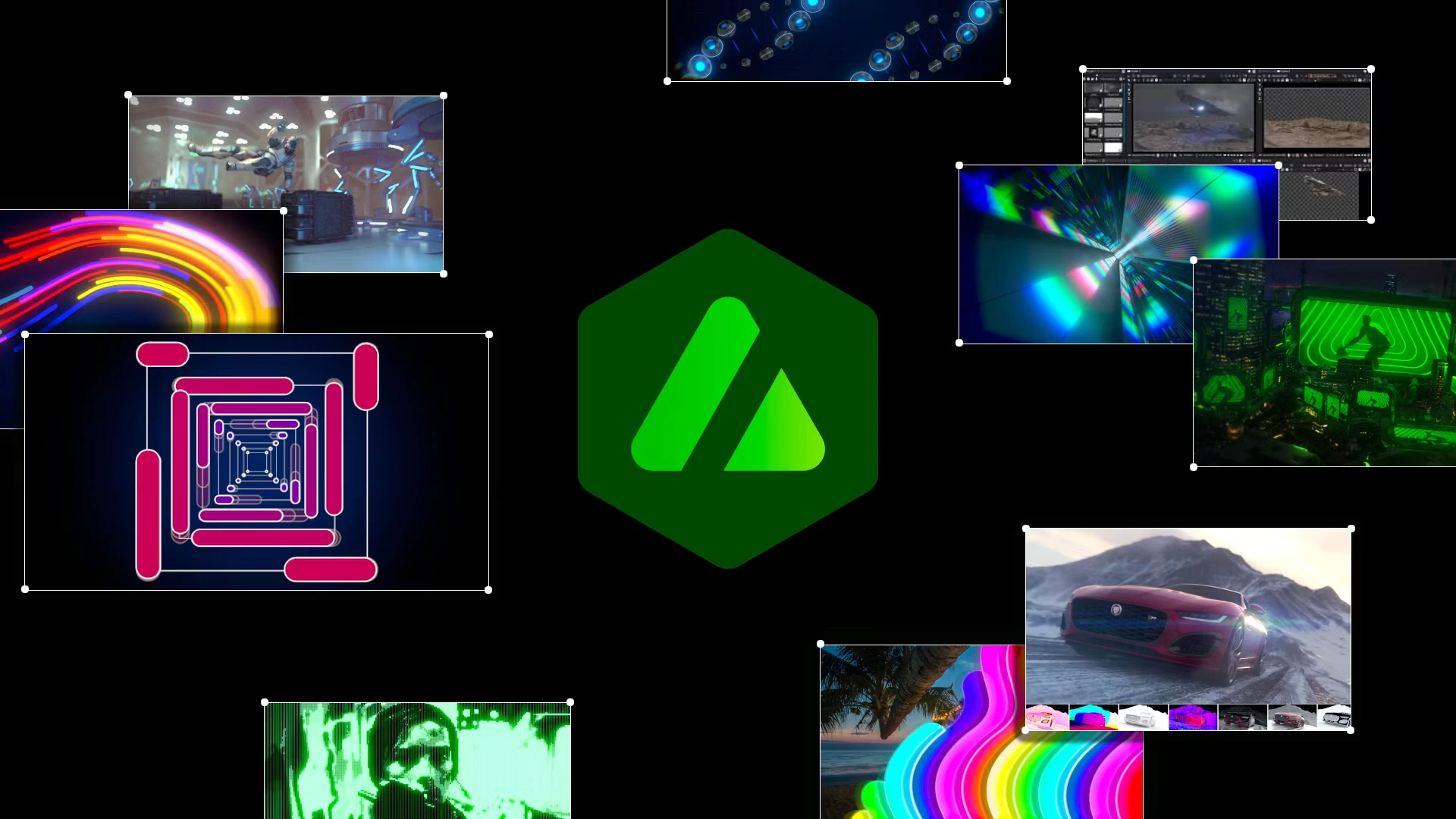
Watch the Showreel: Maxon Redshift for Archviz
Defining a New Standard in a Mature Landscape
The visualization market is crowded, yet Maxon distinguishes its offerings by addressing the specific friction points where other solutions often falter. While many tools force a choice between "fast" and "final," Redshift provides a unified path that encompasses both.
1. The Hollywood Pedigree: Unlike many archviz-specific tools, Redshift carries the same biased rendering technology used for Oscar-winning visual effects. This brings a cinematic magic to architectural walkthroughs that standard real-time engines struggle to match.
2. Workflow Integration over Plugins: Rather than acting as an external attachment, Redshift is becoming a native component of the design environment. The "One-Click to Cinema 4D" philosophy allows users to scale from a simple CAD model to complex simulations without ever leaving the Maxon ecosystem.
3. Aggressive Value Proposition: Maxon has entered the AEC market with a significantly more accessible price point than traditional industry alternatives. By bundling Redshift with industry-leading CAD tools like Vectorworks, Maxon is making high-end rendering a standard part of the toolkit rather than a luxury add-on.
Redshift 2026.4.0: Technical Milestones in Fidelity
The latest 2026.4.0 release introduces several mission-critical features. These provide designers with unprecedented control over their environments and assets.
1. Redshift Live: Performance Meets Quality
Replacing traditional RT technology, Redshift Live is a new rendering mode engineered for instantaneous look development. By leveraging hardware-accelerated path tracing combined with advanced AI upsampling and denoising, it provides a near-final representation of the frame during the staging process. This allows for immediate iteration on lighting and materials. It ensures that what the designer sees during the creative process is exactly what the client sees in the final delivery.
2. Celestial Precision: The New Night Sky
The Physical Sun and Sky system has been upgraded with a mathematically accurate Night Sky model. For the first time, users can simulate a moon with dynamic crater self-shadowing that updates based on the lunar phase. Whether the scene requires the light pollution of a metropolitan center or the clarity of the Milky Way in a rural landscape, the environment can now be matched to any global coordinate and time of day.
3. Granular Control: Per-Polygon Displacement
Texture displacement is no longer an all-or-nothing technical hurdle. The 2026.4.0 update supports per-polygon selection sets. This allows artists to isolate and fine-tune displacement on specific parts of a mesh. This significantly reduces the computational overhead of subdivision while providing the intricate detail required for close-up product or architectural shots.
The Economic and Creative Advantage
Rendering used to sit at the end of the process. That placement made sense when compute was the limiting factor.
That is no longer the case.
With tools like Maxon Redshift, rendering moves upstream. It becomes part of how decisions are tested, not just how they are presented.
Under tight timelines, that shift is not theoretical. It is what allows teams to adjust late without losing control of delivery.
To know more, contact us at maxon@arkinfo.in
Is your pipeline ready for the move to real-time cinematic rendering?