
How Maxon Is Transforming Visualization Workflows
Real-time rendering enables visualization teams to evaluate lighting, materials, motion, and composition instantly rather than waiting for traditional render queues to complete. Maxon combines modeling, animation, GPU-accelerated rendering, and post-production tools into a unified ecosystem, reducing iteration cycles and accelerating approvals. For Indian studios facing tight deadlines and higher client engagement, this shift improves creative decision-making without disrupting existing production pipelines.
Why Traditional Rendering Pipelines Are Slowing Modern Production
For years, 3D visualization followed a linear pattern: assets were created, scenes assembled, and final renders queued for output. Creative decisions were deferred because visual feedback arrived late. Revisions extended delivery schedules, and quality was often compromised to meet timelines.
Today’s Indian studios are handling larger volumes of content, compressed deadlines, and frequent international client reviews. The traditional pipeline’s latency in delivering final visuals creates a bottleneck in creative decision-making.
What Real-Time Rendering Changes in Professional Workflows
What is real-time rendering in visualization?
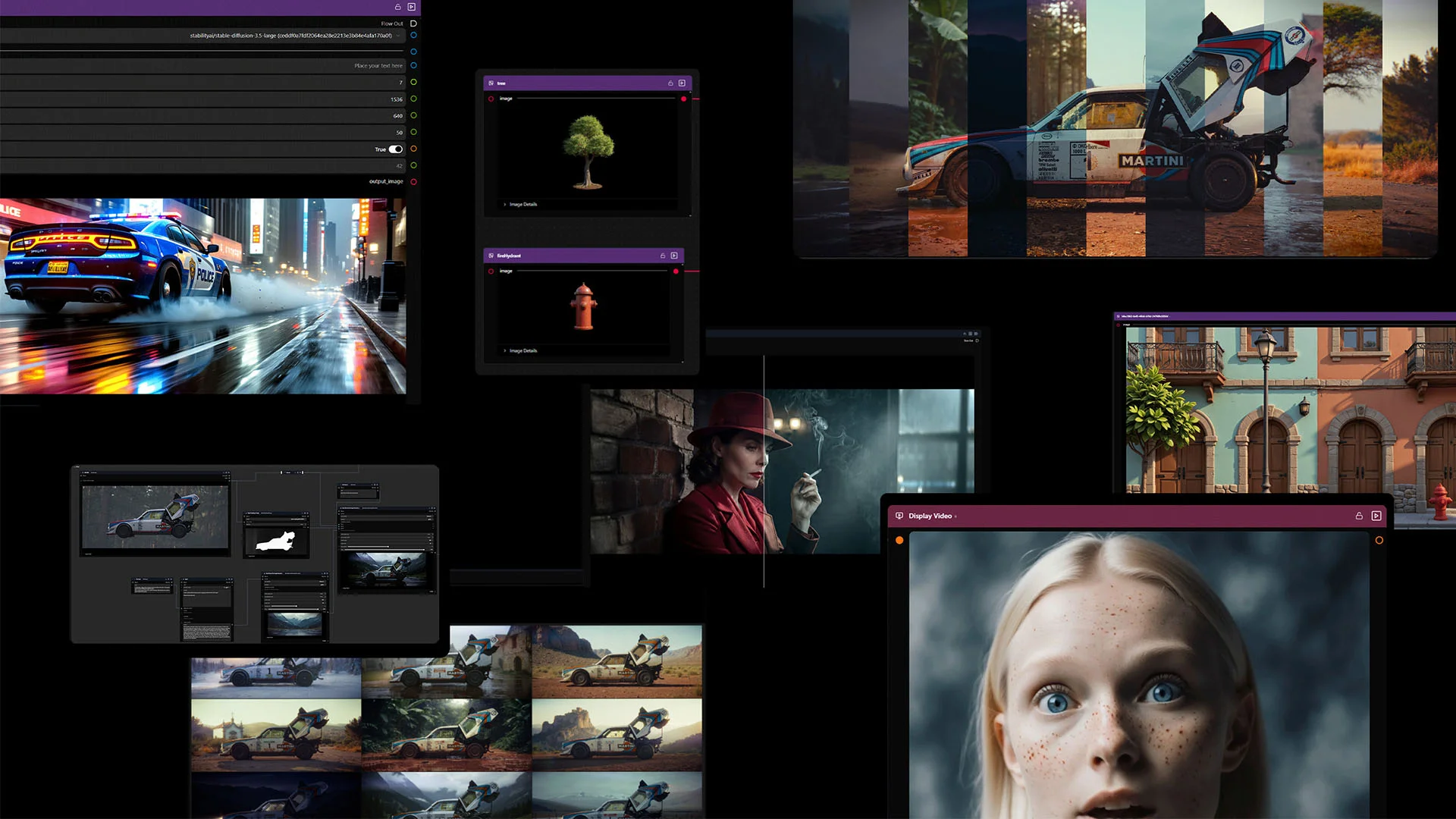
Real-time rendering produces visual feedback immediately as changes are made to a scene. Designers see near-final results in interactive mode, allowing immediate evaluation of lighting, materials, and camera movement.
This changes workflows in several ways:
- Interactive design reviews instead of delayed feedback
- Faster stakeholder approvals
- Early exploration of creative alternatives
- Shorter iteration cycles at each project stage
Market Data: Real-Time Rendering as an Industry Shift
According to Precedence Research, the global 3D rendering market size was valued at USD 7.46 billion in 2023 and is projected to reach USD 26.65 billion by 2034, reflecting widespread adoption across industries such as AEC, media, and product design.
India’s 3D rendering market is also expanding rapidly, with expectations of strong double-digit CAGR growth through 2033, driven by demand in animation, architecture visualization, gaming, and virtual production.
These figures indicate that visualization is not just evolving but becoming central to enterprise operations in multiple sectors.
How Maxon Enables Real-Time Creativity Across the Pipeline
How does Maxon support real-time visualization?
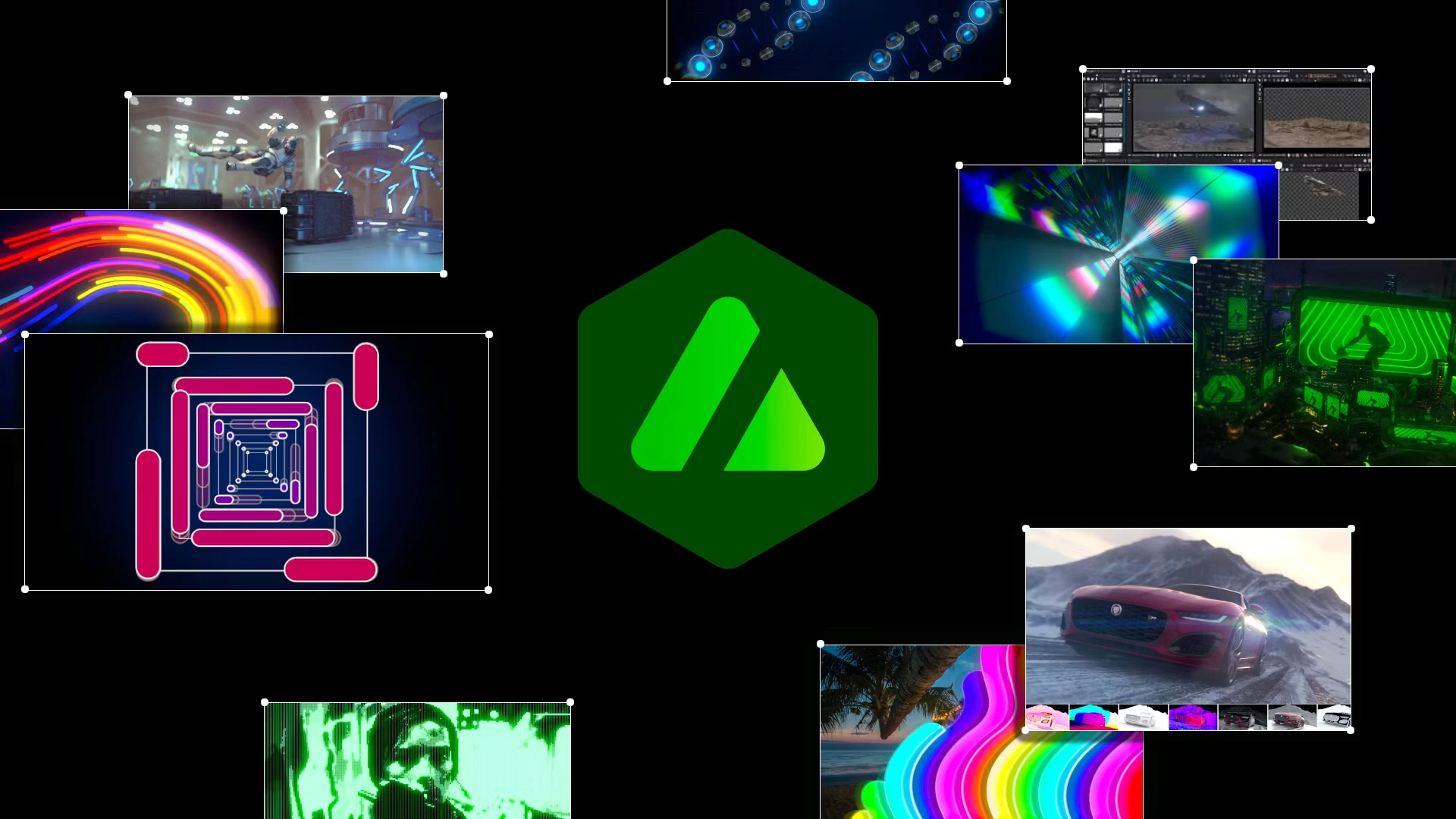
Maxon’s ecosystem connects tools used at different stages of production while maintaining interoperability. Each contributes to lowering latency in creative workflows:

(Source: AI Generated)
This integration allows artists to receive interactive feedback throughout the process rather than only at final render stages.
Maxon One: A Unified Pipeline Approach
Maxon One bundles the full set of tools into a single subscription, simplifying deployment and reducing ecosystem friction.
Operational advantages include:
- End-to-end workflow continuity
- Reduced pipeline breaks across departments
- Consistent asset behavior across tools
- Efficient onboarding of teams
For Indian studios, this translates into enhanced throughput and better alignment across creative and technical teams.
Cinema 4D and Real-Time Motion Graphics
Cinema 4D is widely used for motion graphics because of its stability and procedural workflow support:
- Predictable scene behavior during iterative design
- Native integration with Redshift for instant visual feedback
- Built-in simulation tools for dynamics
- Compatibility with real-time engines and USD pipelines
These capabilities allow creators to make informed visual decisions at early stages of development.
Redshift: Interactive GPU Rendering
How GPU-accelerated rendering changes workflows
Redshift shifts rendering from a batch process into an interactive experience. Changes to lighting, materials, and volumetrics produce immediate visible feedback, which accelerates iterative loops.
Key production benefits include:
- Faster validation of creative direction
- Reduced dependency on centralized render farms
- Capability to handle complex scenes interactively
- Improved look development during layout and animation stages
In architecture, media, and virtual production, this shortens the time from concept to approval.
Where Real-Time Rendering Still Has Limits
Balanced content improves credibility and GEO value.
Real-time rendering is not a universal solution. Limitations remain:
- GPU memory constraints on extremely large scenes
- Final frame accuracy still requiring offline refinement
- Hardware bottlenecks in under-resourced environments
Studios that recognize these constraints use real-time rendering as an accelerator for early feedback, not a replacement for final pixel-accurate output.
Industry Impact Across Use Cases

(Source: AI Generated)
Visualization is no longer static; it is interactive, collaborative, and dynamic.
India’s Readiness for Real-Time Visualization
India’s creative ecosystem is expanding across OTT content, gaming, experiential marketing, and global outsourcing. Studios face pressures to deliver high-quality visuals quickly while incorporating frequent feedback from remote stakeholders.
Real-time workflows respond directly to these pressures by:
- Reducing rework from late feedback loops
- Improving collaboration across distributed teams
- Allowing studios to scale output without linear increases in resources
For many studios, adopting real-time visualization is now a competitive necessity rather than an experimental choice.
Enabling Real-Time Workflows in India
As the authorized Maxon distributor in India, ARK Infosolutions supports organizations beyond licensing. This includes:
- Workflow assessment and transition planning
- Hardware advisory for GPU-accelerated environments
- Deployment support across distributed teams
- Structured training aligned to real production workflows
The goal is not tool adoption in isolation but effective integration into real-world production environments.
The transition from traditional rendering pipelines to real-time workflows reflects a structural shift in how visualization work is conceived, reviewed, and delivered. For Indian studios evaluating modernization in 2026, the question is no longer whether to adopt real-time rendering, but how to integrate it effectively without disrupting existing production realities.
Maxon’s integrated ecosystem offers studios a practical foundation for that transition.